
Becoming a Web Developer: How Difficult Is It Really?
Thinking of becoming a web developer? Learn how hard it really is, how long it takes, what skills you need, and whether it’s worth it.
January 23, 2026

Key Points
- Web development refers to making and maintaining websites and web applications.
- There are three general kinds of web development: frontend, backend, and full-stack.
- Web development isn’t equally hard for everyone; it depends on the way you think, your prior experience, and how comfortable you are with ambiguity.
- Learning web development is an ongoing process because you don’t just “finish” learning. You have to fix unexpected issues and stay up to date with the latest developments online.
- Practical experience often matters more than theory alone.
If you ever find yourself browsing online and wondering how a particular website is made, the answer is: through web development. And if you’ve ever looked into trying it out for yourself, you’ve probably come across wildly different advice on how hard it is to learn to code.
In this article, I’ll cover what web development is, the hard and soft skills you need to get into the field, how long it takes, and what the career situation is.
What is web development?
Web development is a broad term. It encompasses everything that goes into building and maintaining websites. So, basically, that’s everything from how a site looks or responds to user actions, to how it stores data and runs behind the scenes. Let’s discuss what exactly web developers do and what categories of developers there are.
What a web developer does
In practice, building and maintaining sites looks like turning designs, requirements, or ideas into websites that load correctly, respond to user actions, and work across different devices and browsers.
Web developers can create new websites and improve existing ones by writing code, fixing bugs, and checking that everything continues to work as expected when content, features, or traffic change.
Frontend vs backend vs full-stack
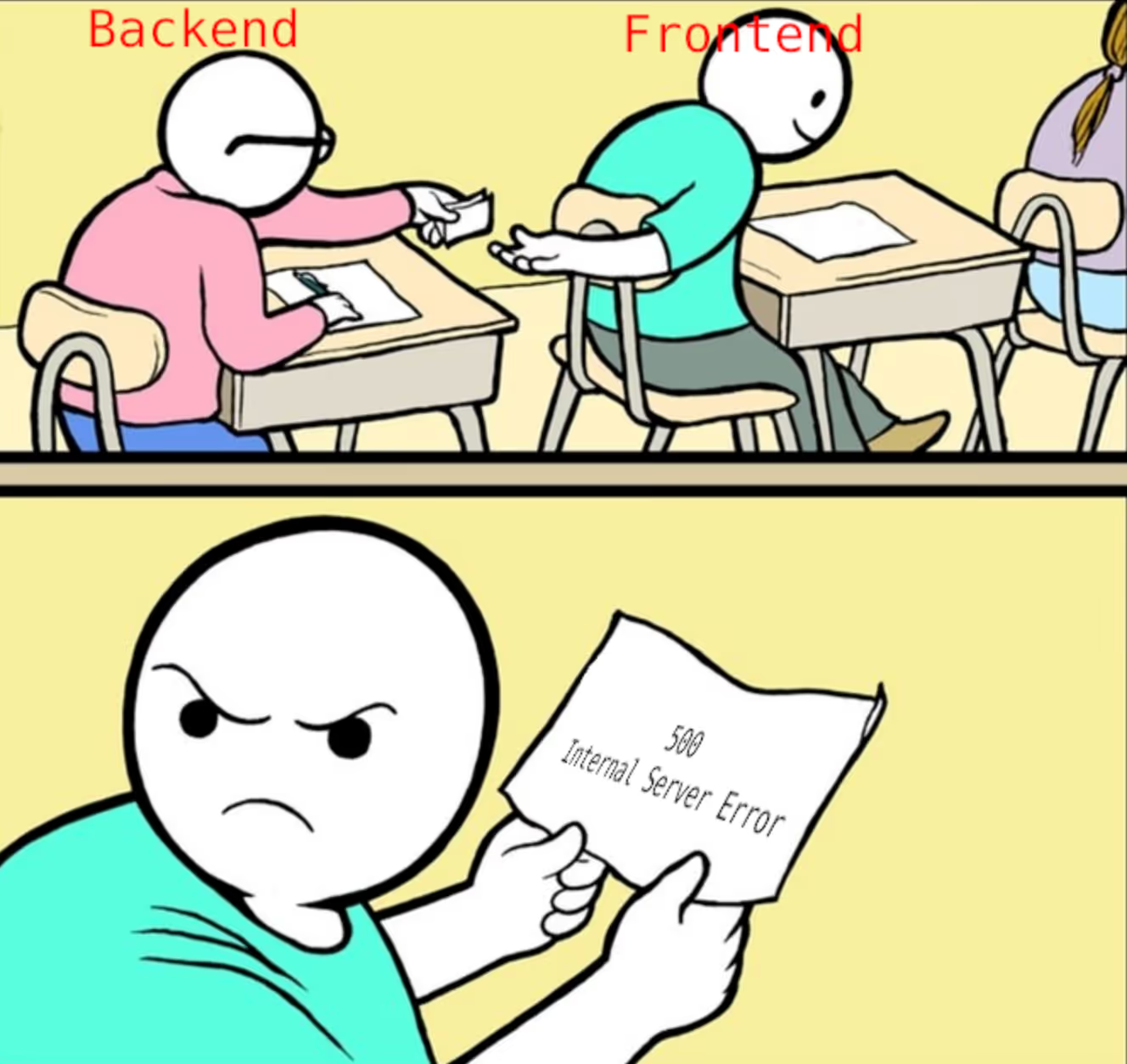
Web development is most commonly split into three categories: frontend, backend, and full-stack. The names of these categories are quite descriptive: you can sort of guess who does what even if you don’t know the definitions. But let’s discuss them in detail. Frontend developers work on the visible components of the site. They focus on everything that the user sees and interacts with, which includes stuff like the layout, buttons, forms, and visual behaviour. Backend development is the polar opposite of frontend. These developers work with systems that support the website, like servers, databases, and the rules and instructions that tell the website how to behave. The last but not the least category, full-stack developers, are supposed to do both of these things. They can handle both the user-facing bits of a website as well as the underlying systems that support them. In real life, many web developers lean more toward one area but still need a basic understanding of how the other side works.
How hard is it to become a web developer?
The real answer to this question is that it varies from person to person greatly. For some people, the technical side of it is easy, but thinking systematically is difficult. For others, it’s the other way around.
Another thing to bear in mind is that you can’t just learn all the theoretical stuff, build a website, and call it a day. Web development involves ongoing learning, adapting to novel tools and standards, and maintaining your existing sites.
Why “hard” depends on the person
The thing about web development is that it’s not just one skill that you need to learn. You have to work with several concepts at the same time. You’ll often find yourself learning several languages at the same time and trying to understand how different parts of the system fit together. While some people love this kind of systematic thinking, it might seem overwhelming for beginners. This is why there is no such thing as a universal web development experience. One person might struggle with the abstract nature of systems, while another struggles more with visual detail or patience.
The hardest bit was the "context switching". It's not just a language you are learning, but how a database can communicate with a server, which then talks to a client (browser). All of this in your own head, all at once, can be exhausting for a newbie.
{{Abhishek Pareek}}
Learning the basics vs becoming “good”
If we’re talking about learning the basics of web development, rest assured: they’re relatively achievable for most people. You can follow basic tutorials and try to build basic pages to get started. In fact, even I went through a brief phase where I was trying to learn to code. Admittedly, I didn't get very far.
Most get caught up with the "maintenance burden" and not knowing that coding is only a small part, reading other people's hacky code, and debugging to make sure that the thing you built a week ago isn't breaking the whole system today, is the real work!
{{Abhishek Pareek}}
After you become confident enough to work on larger or longer-lived products, web development becomes something to keep up with over time. This includes maintaining existing code, fixing bugs, learning new browser or device requirements, and improving existing features rather than constantly building new ones.

What skills do you need to become a web developer?
Let’s have a look at the actual skillset you need to become a web developer yourself.
Core technical skills beginners need
At its core, web dev is a technical job. That means you need to learn how to write code and understand what that code is supposed to do. You write code using programming and markup languages, and different languages exist for different purposes. Markup languages are used to describe content and structure. Programming languages add logic and behaviour.
Most beginners start by learning languages that are used directly in the browser. Here are a few:
- HTML is a markup language that’s used to structure content. It defines what exists on a web page. This includes text, headings, images, links, and so on.
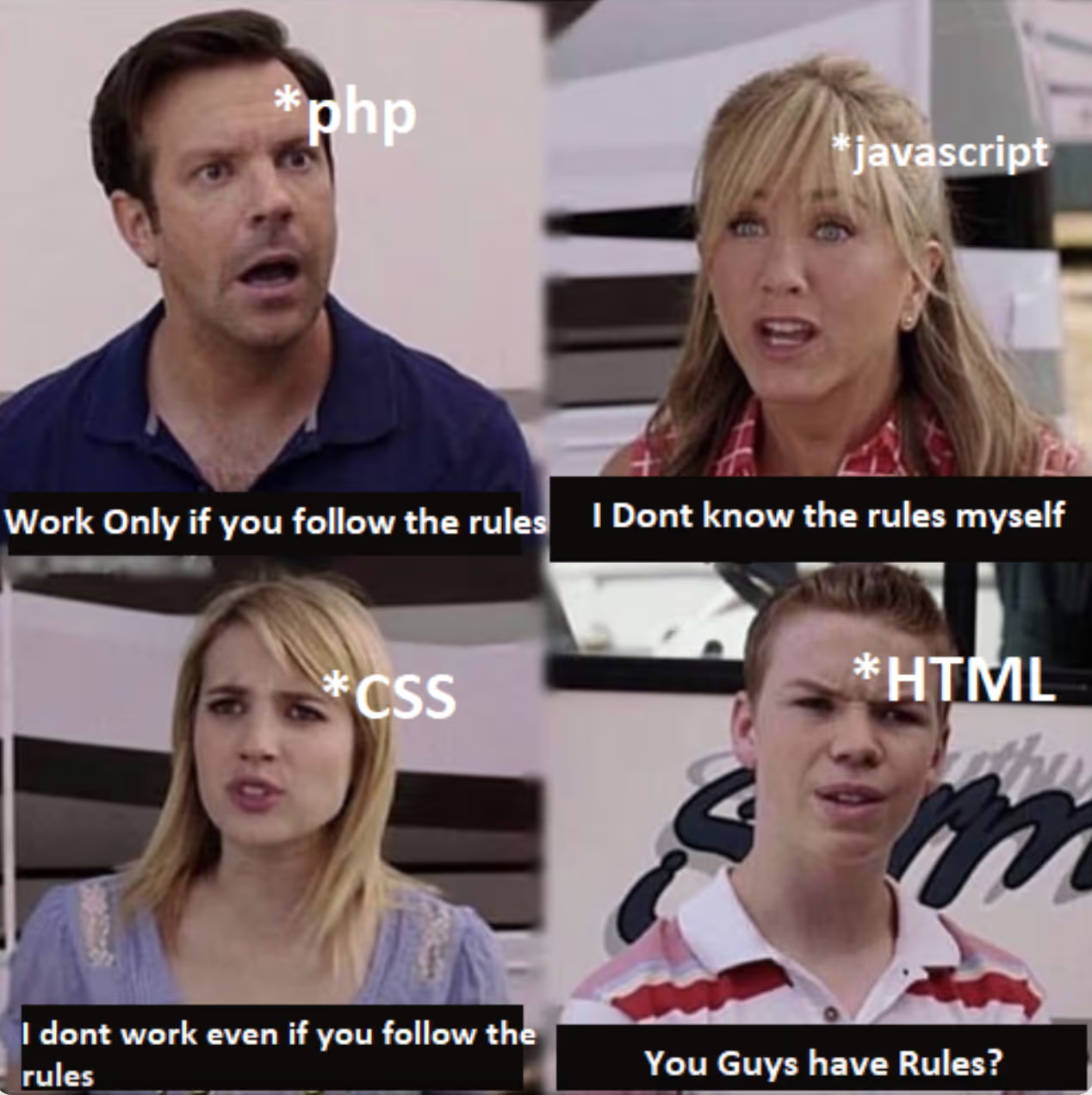
- CSS is a stylesheet language. What this means is that it controls how your content looks rather than what it does. It handles layout, spacing, colours, fonts, and how a site adapts to different screen sizes.
- JavaScript is a programming language that adds logic to your site. It allows a website to respond to user actions, handle dynamic content, validate inputs, and interact with other services. For many beginners, this is where coding starts to feel a bit more challenging because it introduces a lot of new concepts like conditions and functions.
Aside from languages, there are a few other technical things you need to feel comfortable with in order to build websites.
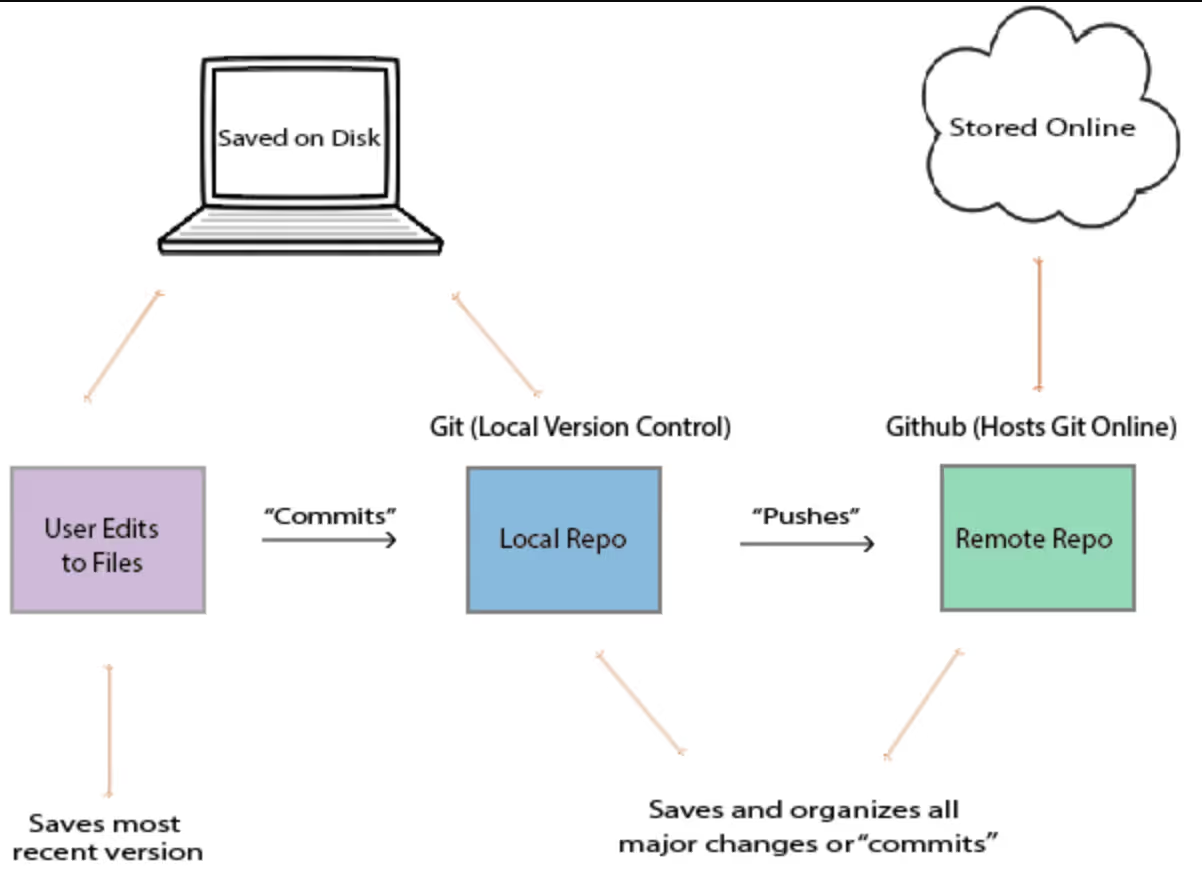
- Basic version control. You need to be able to save versions of your work, undo mistakes, and collaborate without overwriting other developers’ changes. This is usually done via Git, which is a version control tool.
- Understanding browser tools, such as the inspector and console, to see what’s actually happening when something doesn’t work.
- Files and folders. A website project is made up of files. Files are organised into folders on your computer. If your project is growing, and you want everything (like styles and scripts) to load correctly, it’s absolutely essential to know where files and folders live, and how your browser finds them using file paths.
Skills you learn working on real projects
Everything I listed above can be described as a “hard” skill. This section is mostly about soft skills, the ones you learn on the job, so to speak.
The first thing I want to talk about here is debugging. As you learn how to build websites, you’ll inevitably make some missteps and break something. As you gain practice, you’ll no longer need to rely on guesswork to know what went wrong and become more skilled at reading error messages and testing small changes. Over time, you’ll know which failure points to check straight away and how to narrow down problems quickly.
You’ll also learn to recognise patterns, because after working on several websites, problems stop feeling new. Things like layout issues or loading problems tend to repeat themselves, and once you’ve seen them a couple of times, you’ll know exactly what to do if they happen again.
Finally, real projects introduce you to maintenance. You’re no longer working on something once and moving on; instead, you’re updating existing code, fixing regressions, and improving sites without breaking what already works.
The hardest part was training my eye to find visual errors. Coding errors are easy to spot, but noticing if a header has three extra pixels of spacing or if a button color is slightly off took time. Unfortunately, I can't look at a website now without noticing those tiny details.
{{Chandler Kerrigan}}
How much actual coding web developers do
This section probably makes it seem that all web developers do is sit in front of their computers writing complex code from scratch. However, that’s not always the case. In reality, many web developers work within existing systems and tools instead of just doing everything by hand. The amount of coding you do depends heavily on where you work, the type of projects you take on, and whether you’re building products from the ground up or maintaining and customising existing sites.
Another thing I’d like to mention is the rise of no-code web development. The name is somewhat misleading because if you’re using a content management system or a visual builder like WordPress, Webflow, or page builders like Elementor, you’re not escaping coding entirely; you’re just interacting with it less directly. Developers are often expected to customise, extend, and troubleshoot these tools using code where needed.
When job hunting, I noticed most agencies use builders, not scratch code. So I hunkered down and taught myself Elementor and WordPress using YouTube. Surprisingly, the actual coding came easily. I loved any chance to use custom CSS or HTML to tweak a builder section — thank you, school and bootcamp!
{{Chandler Kerrigan}}
How hard is it to learn coding as a beginner?
It’s hard to say how hard it is to learn how to code if you’ve never done it before. The main difficulty lies with the sheer amount of things you need to know and implementing them together as a system. Also, it’s highly dependent on the kind of person that you are and how you think. Vague, I know!
Anything back-end and data modelling made sense to me because of its clear, strict rules. CSS, though, the dark arts! Taking layout for multi-device browsers and testing that layout to behave was definitely, and still is often the most vexatious part of any stack for me.
{{Abhishek Pareek}}
Some parts of web development feel logical and structured, while others are far more visual and unpredictable. Beginners often assume that once they understand the rules of a language, things should simply work. But that’s not always the case. Don’t be discouraged: it’s all part of the learning curve, and every seasoned web developer will empathise with your struggle. And don’t forget that things get easier with practice and resilience.
If you're wondering if it's "too hard", just remember that so is every senior dev who has spent days/weeks hunting for a missing semi-colon. It's not about being clever; it's about being silly/stupid enough to stick with it until there is a solution.
{{Abhishek Pareek}}
How long does it take to become a web developer?
Web development isn’t something you can pick up overnight, and the progress might often feel incremental. So, what do real developers have to say?
Typical learning timelines
Many people are curious to learn how to become web developers. If you just Google “how long does it take to become a web developer,” you’ll see a wide variety of answers.
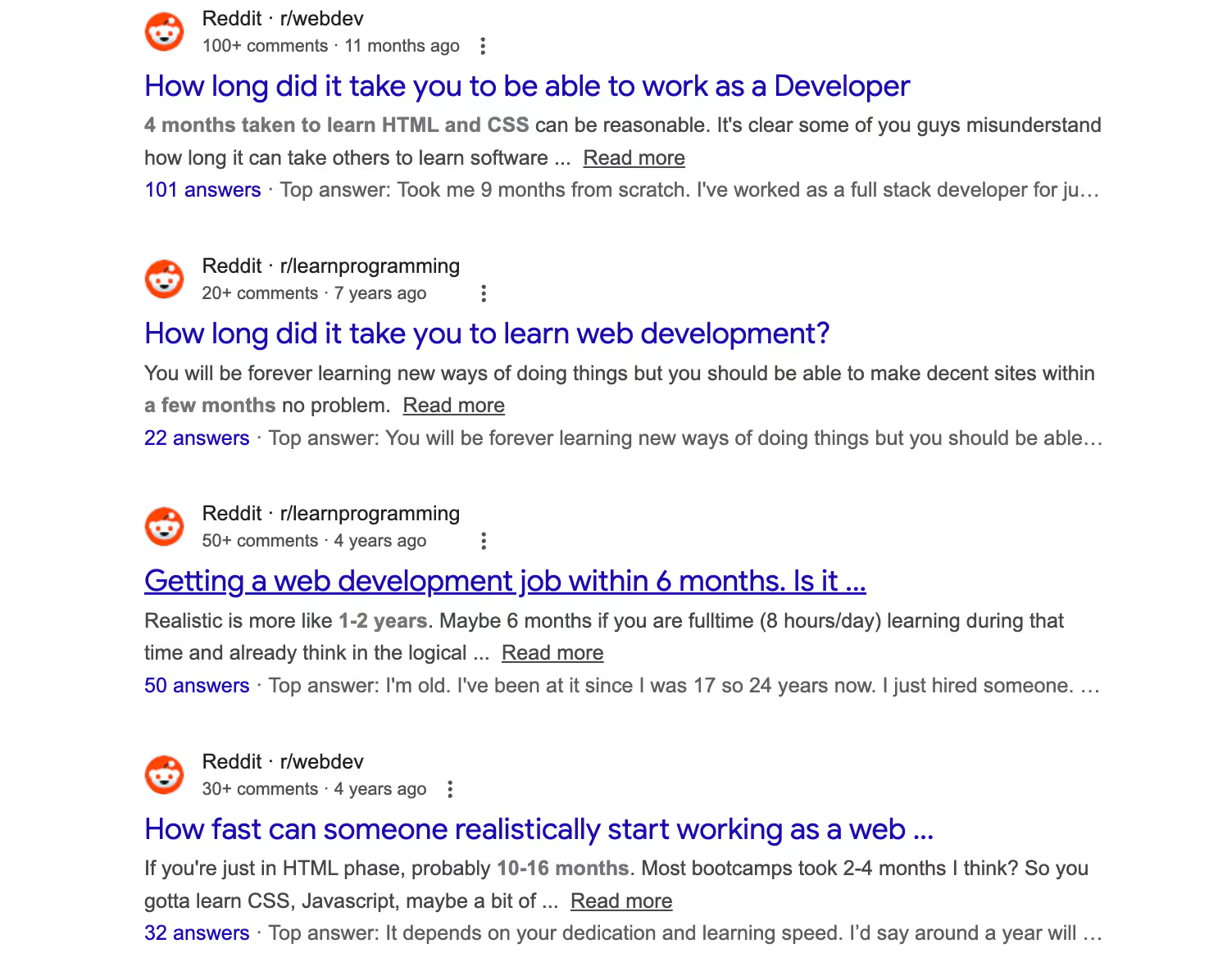
While there’s no single timeline for everyone, many current developers agree that it would take a substantial amount of time, such as half a year or more. It also heavily depends on your learning pace and how often you actually do it.
Most seem to start "clicking" about the six-to-nine-month daily use mark. DevCamp suggests it can take around 1k hours of study and practice to go from basic syntax to a general, reliable mental model of how software systems actually hang together.
{{Abhishek Pareek}}
The role of experience
If you already have some experience and need to pick up a particular aspect of web development, it’ll be quicker than starting from scratch, but at the same time, don’t expect it to click immediately.
Chandler had an IT background from university and also learnt to code by herself. And yet, despite that, she still had to learn in her own time after being promoted.
I landed a junior developer role at a marketing agency and was quickly promoted to lead. The start felt like a college finals week that never ended; I'd come home and study design just to stay ahead. It took about 3 months of working on websites every day for it to really click.
{{Chandler Kerrigan}}
How can beginners learn web development?
Given the fact that web development has always been a popular field of study and a lucrative career, it’s no surprise that there’s a myriad of learning resources, both online and offline.
Online courses and bootcamps
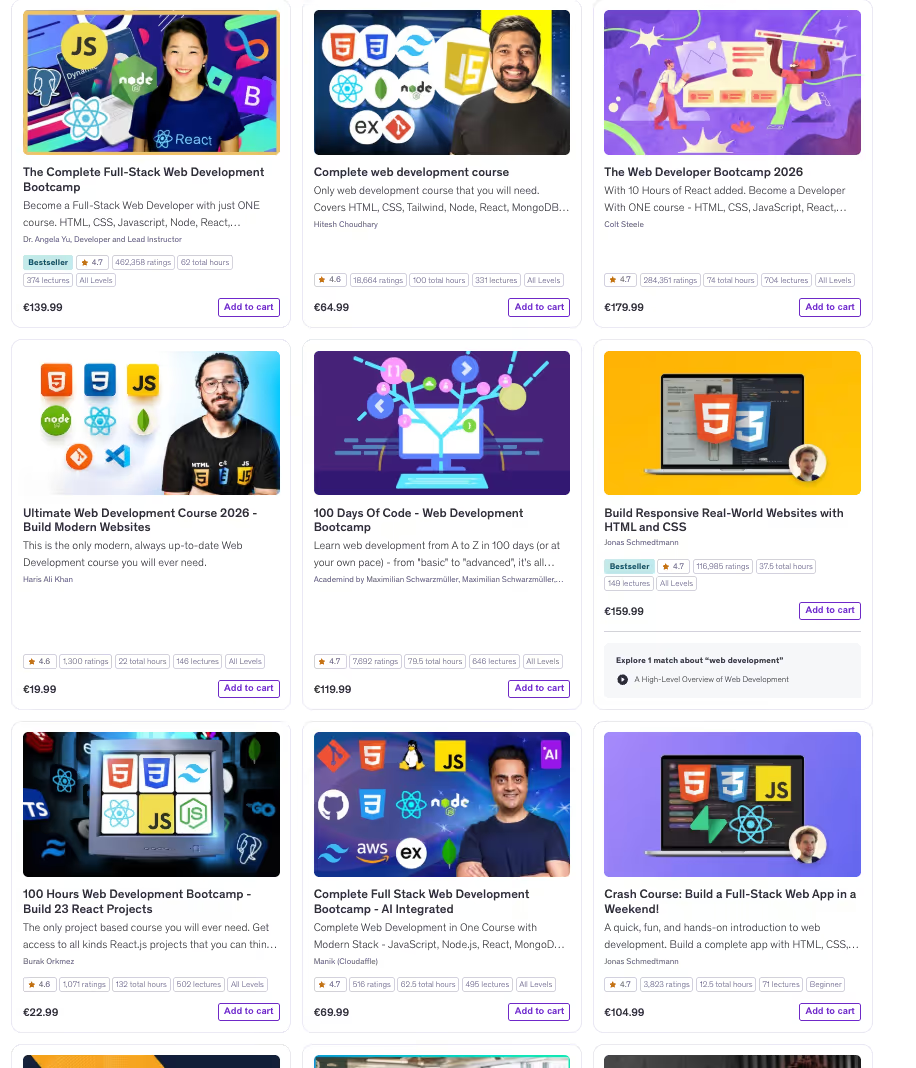
Online courses and bootcamps (fast-paced, time-limited courses) are one of the most common ways people start learning web development. The thing about these two methods of learning is that they often offer a structured path, combining video lessons, small exercises, and larger projects that build on each other. This can be very beneficial for beginners because they can benefit from this structure and not having to constantly decide what to learn next by themselves.
Self-learning vs structured learning
Self-learning is usually less organised, but it’s closer to how web development works day to day. You learn by trying to build or fix something, getting stuck, and then pulling information from different places until it works. Most people end up mixing both approaches over time.
It isn't too hard if you use your resources. You will end up in a weird part of Reddit, solving an issue or watching hours of YouTube to build a specific feature. You just have to be willing to teach yourself.
{{Chandler Kerrigan}}
Do you need a degree to become a web developer?
Short answer: no, you don’t. If you’re in formal education for IT or computer science, it can give you an opportunity to explore what you’re interested in and expose you to different areas of tech, but it’s not an absolute prerequisite.
I focused on backend development in college until a human-computer interaction course piqued my interest. I've always been artsy — playing instruments and crocheting — and this class showed me how to combine technology with creativity. After graduating with an IT degree, I did a bootcamp for HTML, CSS, and JavaScript. This gave me the experience to build websites with pure code.
{{Chandler Kerrigan}}
Many developers build their careers through non-traditional paths, combining self-learning, courses, and hands-on experience. According to a poll by Stack Overflow, while 66% of developers do have either a bachelor's or a master's degree, only 49% learnt to code at school. And when it comes to hiring, the trend is similar. An HR study by CodinGame suggests that the percentage of recruiters hiring developers without academic background has almost doubled in one year, and almost 60% of recruiters are ready to forgo CVs as part of the recruitment process.
Is web development a good career choice in 2026?
Web development is a pretty great skill set to have, and it’s always in demand for freelancers and traditional employees alike.
Job opportunities and demand
Web development remains a rather lucrative field. The demand for web development isn’t about to disappear because most businesses still rely on websites, web applications, and other online services to operate. That demand isn’t limited to tech companies, too. Agencies, startups, in-house teams, and non-technical businesses all hire web developers in different capacities.
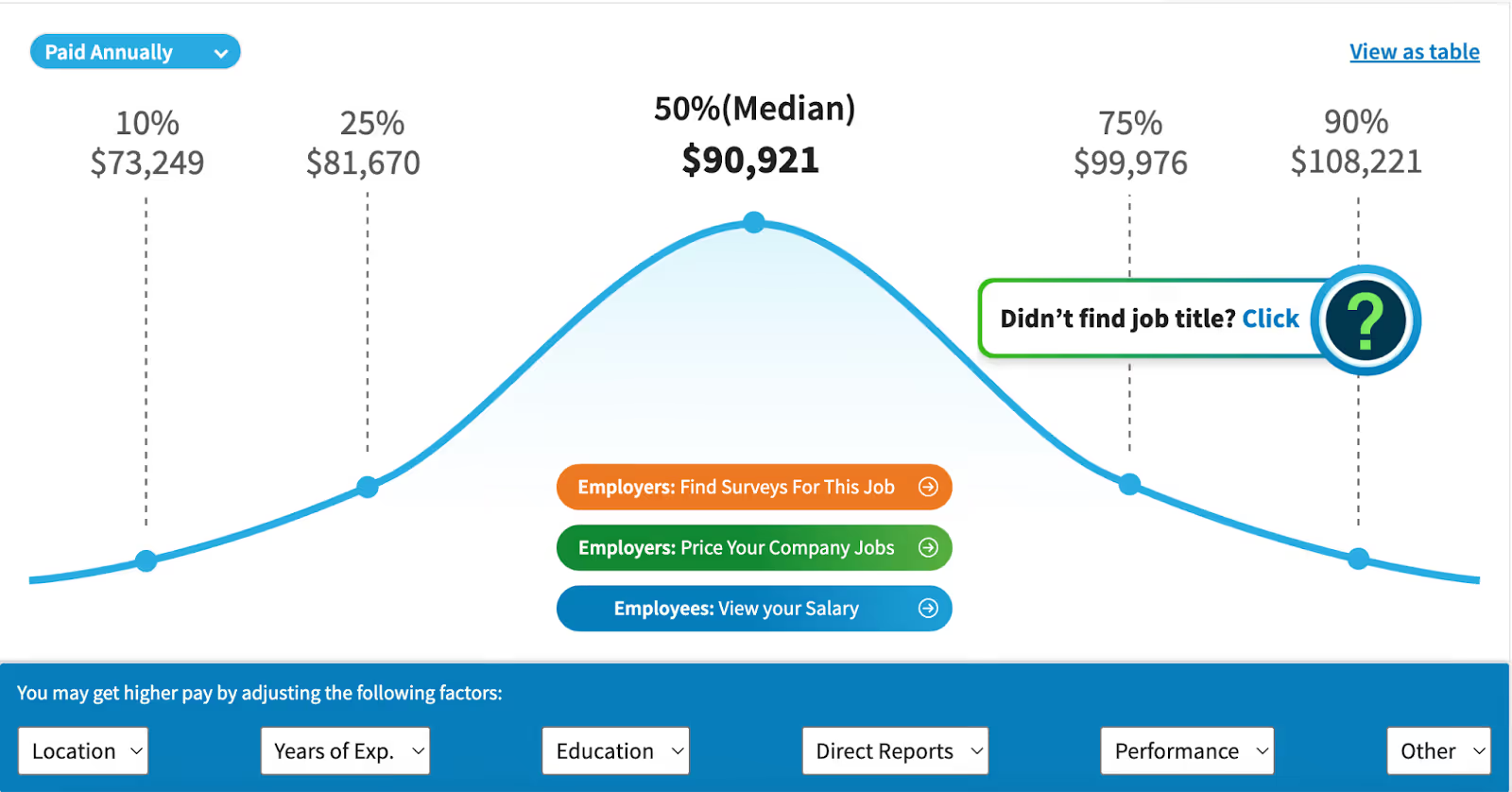
I must note, however, that whilst the demand is high, so is competition. This is especially true for junior roles. Entry-level roles tend to attract a lot of applicants, and employers often look for practical experience rather than just certificates.
Is it worth becoming a web developer?
Whether becoming a web developer is worth it depends largely on how you feel about ongoing learning and problem-solving. For people who enjoy experimenting and improving over time, the field can be both challenging and rewarding.
Beginners underestimate the constant learning. Even now, I have a lot to learn, which is my favorite part since the field evolves so fast. If you think you can do all the learning upfront, your websites will look and behave like garbage in a few years. You have to love evolving.
Building a career in tech is a marathon exercise in managed frustration. It's not about knowing everything – that's impossible, but being comfortable and accepting that it will always be elusive and you will always be a student. The pressure drops away, and growth begins once you accept that "not knowing" is just a part of your day.
{{Abhishek Pareek}}
Conclusion
And that’s all there is to getting started with web development. It’s definitely not easy, but with the right amount of determination, time, and systems-based thinking, anyone could master it. Happy coding!
FAQ
.avif)



I’m a bilingual writer and content strategist working across SaaS and digital media. I cover topics like marketing, tech, and the occasional niche curiosity.
Learn moreI'm the lead web developer at Argon Agency. I've been in my current role for almost a year and have been building websites since August 2024.
I'm the Founder and CFO at Cyber Infrastructure (CIS), where I've spent over 20 years successfully growing engineering teams and aligning technical architecture with end business goals. My current mission is delivering high-quality and scalable software delivery models for global organizations.
We are here to ease your working routine
Whether you're freelancing or a full-time contractor, we simplify the working process, putting you in control.
Try it free
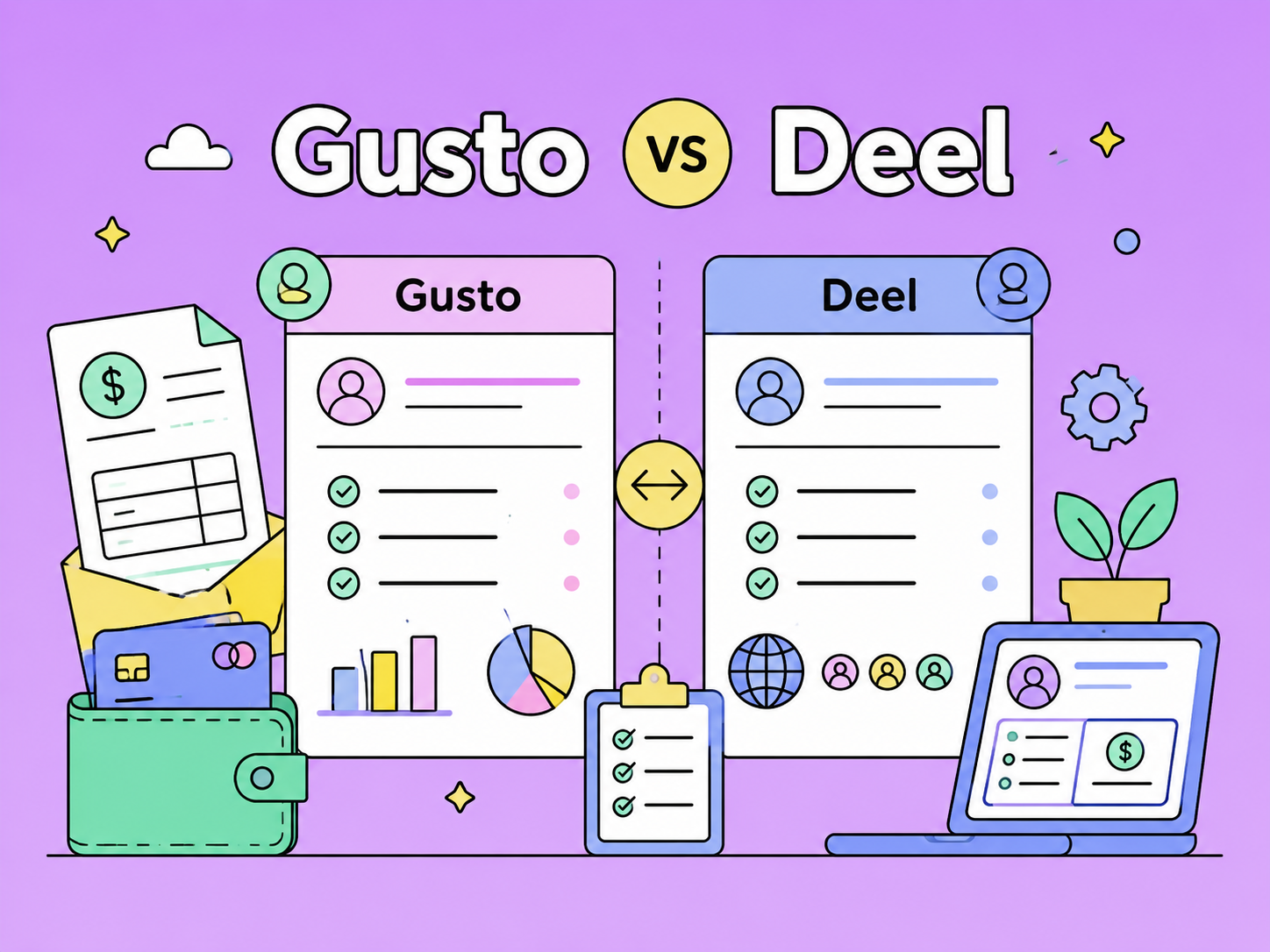
Gusto and Deel both help companies manage payroll and HR, but they serve different business needs. Gusto is a better fit for US-based small and midsize businesses that need simple payroll, tax filing, benefits, onboarding, and basic HR tools. Deel is better for companies hiring internationally, managing global contractors, or using Employer of Record services. This comparison breaks down their key differences in payroll, compliance, pricing, integrations, benefits, contractor management, pros and cons, and best use cases to help businesses choose the right platform in 2026.
Compare the best Deel alternatives for global hiring, payroll, EOR, and contractor payments. See pricing, coverage, pros, cons, and best use cases.
Running payroll for one employee still means tax calculations, filings, forms, and deadlines — so the cheapest option isn't always the best value. This guide compares affordable payroll services for a one-person business, breaking down real monthly costs, what's included, and which choice fits how you actually pay your worker.
